
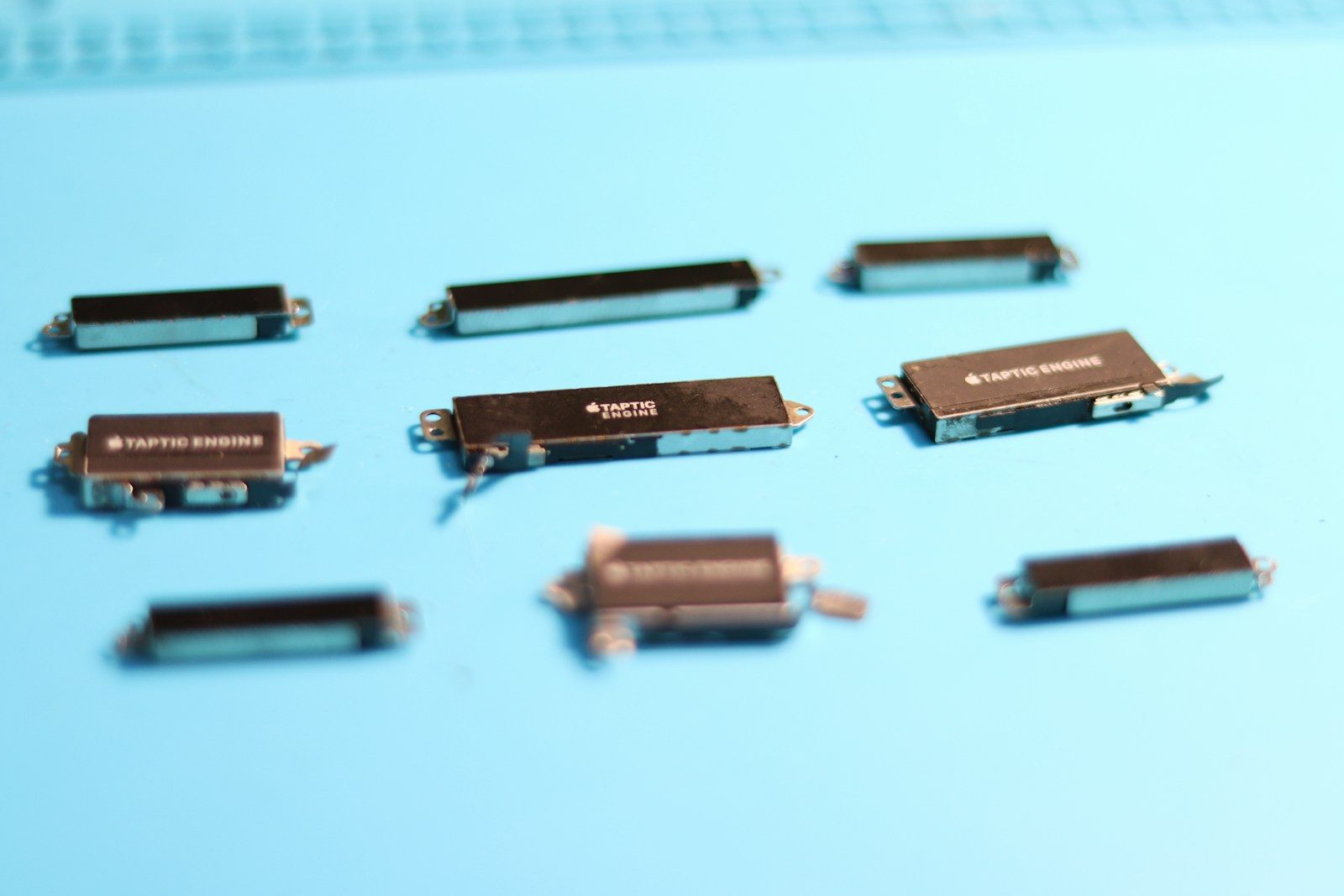
Most of us use complex technology without sparing a thought for the parts doing the real work. We notice the screen waking when we lift a phone, the car responding when it detects a skid, or the fitness watch counting steps with suspicious confidence. Behind those everyday moments sits a class of component that rarely gets much public attention, even though it shapes how machines read movement.
That matters because motion is one of the basic facts of the physical world. If a device can detect vibration, tilt, shock or changes in speed, it can behave less like a static object and more like something that responds to what is happening around it. In consumer gadgets, that means convenience. In vehicles, it supports engineering and safety. In industry, it can mean spotting a problem before it turns into an expensive failure.
At the heart of that shift are accelerometers, used in everything from transport and structural monitoring to laboratory equipment and sports tech. They help engineers measure movement with far more precision than guesswork or visual inspection ever could. That may sound niche, but it directly affects how reliable, efficient and safe modern systems are.
Why they matter beyond the lab
It is easy to assume sensors belong only in specialist settings, yet their influence reaches much further. Motion data can reveal patterns that would otherwise stay hidden:
- unexpected vibration in machinery
- impact events during transport
- subtle movement in buildings and bridges
- changes in performance over time
What makes this useful is not just the hardware, but the quiet way it changes decisions. Instead of waiting for something to break, organisations can track trends and act sooner. For the rest of us, it means the technology we use every day feels smoother and easier to use. Not bad for a component most people never see.
Photo by Fotografia Lui Vlad.