The deepest parts of the ocean are among the least explored environments on Earth. Far below the reach of sunlight, where temperatures hover close to freezing and water pressure would crush most ordinary equipment, an extraordinary variety of life has found ways to survive. From animals that produce their own light to organisms that rely on chemical reactions rather than sunlight for energy, deep-sea ecosystems challenge many of our assumptions about what life needs to exist.
How Do Deep-Sea Creatures Survive the Pressure?
At depths of several thousand metres, the pressure is immense. For every ten metres of descent, water pressure increases by approximately one atmosphere. At the bottom of the Mariana Trench, more than 10,000 metres below the surface, the pressure is over 1,000 times greater than at sea level.
Yet deep-sea organisms have evolved specialised adaptations that allow them to function in these conditions. Many have flexible bodies, reduced or absent air-filled spaces and cellular structures that remain stable under extreme pressure. Certain proteins and molecules help maintain the shape and function of essential biological components, even when subjected to conditions that would disrupt those found in organisms living closer to the surface.
Life Without Sunlight
One of the most fascinating discoveries in deep-sea science is that entire ecosystems can exist without relying on sunlight as their primary energy source.
Around hydrothermal vents, where heated, mineral-rich water escapes from cracks in the ocean floor, bacteria use chemical energy to produce organic matter. This process, known as chemosynthesis, provides the foundation for food chains supporting tube worms, crabs, clams and other specialised animals.
Unlike plants and algae, which depend on photosynthesis, these bacteria obtain energy from chemical reactions involving substances such as hydrogen sulphide. Their ability to sustain life in complete darkness has changed scientific understanding of where living organisms might exist.
Why Do So Many Deep-Sea Animals Glow?
Bioluminescence, the production of light through chemical reactions within living organisms, is surprisingly widespread in the deep ocean. Some species use it to attract prey, while others produce flashes of light to confuse predators or communicate with potential mates.
Anglerfish are perhaps the best-known example, using a glowing structure to lure smaller animals within striking distance. Other species produce bursts of light from specialised organs or release luminous substances into the surrounding water as a distraction.
This natural light production is remarkably efficient, generating very little heat compared with conventional light sources. Scientists continue to study the chemical processes behind bioluminescence, including the potential applications of similar light-producing systems in biological research.
What Could Deep-Sea Research Reveal?
Exploring extreme marine environments is about more than discovering unusual animals. Organisms living under intense pressure, in darkness and around chemically unusual environments may provide valuable insights into biology, genetics and the limits of life itself.
Research into deep-sea microbes could also help scientists understand whether similar organisms might survive beneath the icy surfaces of moons such as Europa and Enceladus, where subsurface oceans are thought to exist.
There is still an enormous amount to discover beneath the waves. As exploration technology improves, scientists are gaining access to environments that were once almost impossible to study, revealing ecosystems that demonstrate just how adaptable life can be.
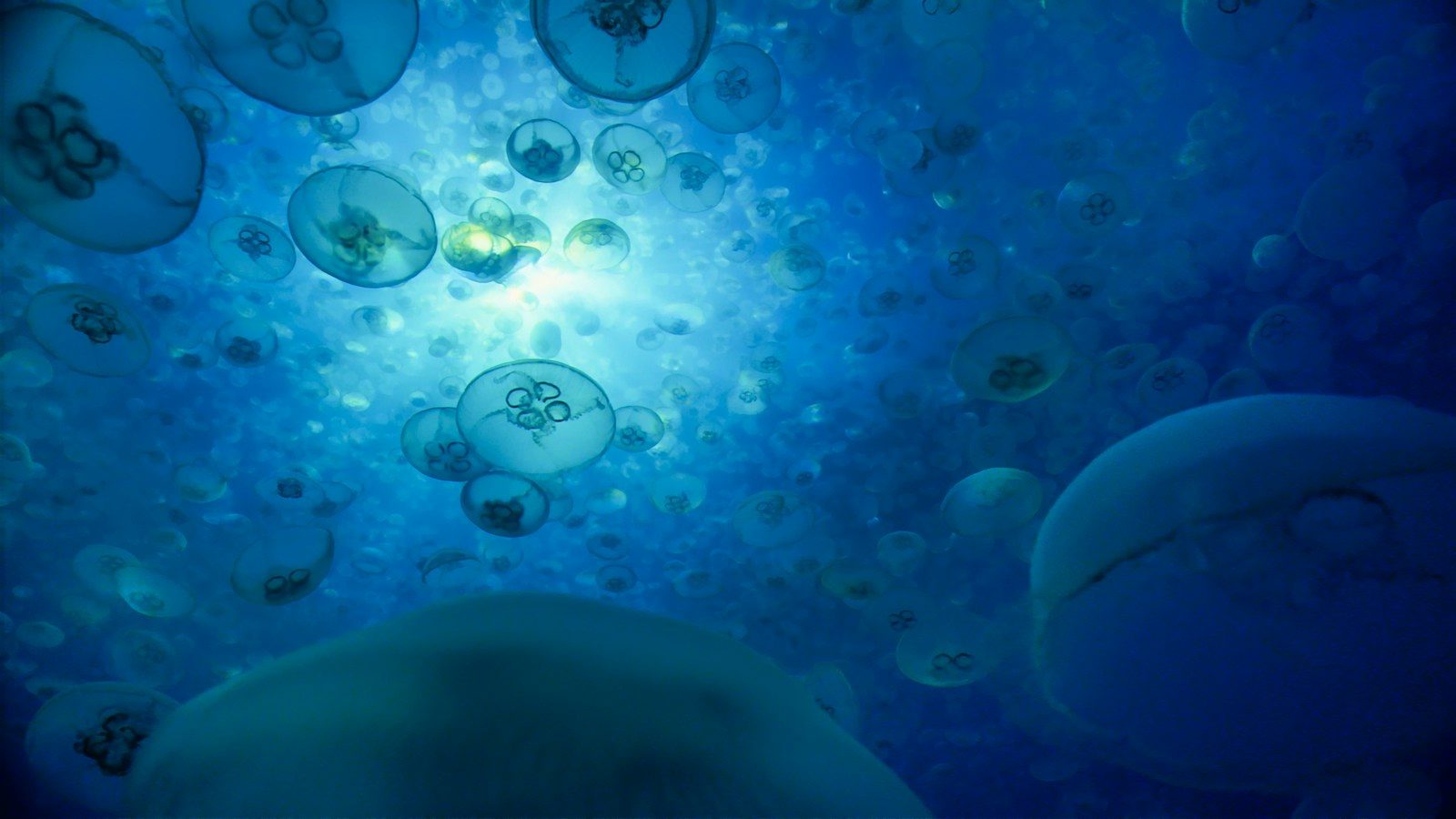
Photo by Oleksandr Sushko.